Best blog about Health & Fitness care. Stay Informed,

Adsteara banar

Ads by Adsterra

https://cobwebcomprehension.com/wxf97c516c?key=f6c688fadc5f1a576d67636dceabadc3

Ads by Adsterra

https://www.highcpmrevenuegate.com/uyxhsvepv?key=6de22fcfc3459abaee26bf01c5393b26

This is default featured slide 1 title

Go to Blogger edit html and find these sentences.Now replace these sentences with your own descriptions.

This is default featured slide 2 title

Go to Blogger edit html and find these sentences.Now replace these sentences with your own descriptions.

This is default featured slide 3 title

Go to Blogger edit html and find these sentences.Now replace these sentences with your own descriptions.

This is default featured slide 4 title

Go to Blogger edit html and find these sentences.Now replace these sentences with your own descriptions.

This is default featured slide 5 title

Go to Blogger edit html and find these sentences.Now replace these sentences with your own descriptions.

Friday, September 29, 2023

Combating Heart Disease in Seychelles: A Call to Action on the World Heart Day (29th September)


Q: Why do we celebrate the World Heart Day?

World World Heart Day (29th September)


World Heart Day (29th September 2023)

World Heart Day, celebrated globally on September 29, provides us with a timely opportunity to delve into the persistent challenges posed by heart disease in Seychelles. As a leading cause of morbidity and mortality, heart disease casts a significant shadow over the lives of individuals and communities, necessitating our collective attention and immediate action.

The Heart Disease Challenge in Seychelles

A Call to Action on  World World Heart Day (29th September)

Heart disease remains a grave concern in this beautiful island nation, with recent data released by the Ministry of Health painting a grim picture. Cardiovascular diseases (CVDs) continue to top the list of causes of death in the country, a trend that has persisted even during the challenging times of the COVID-19 pandemic.

In the year 2022, heart diseases claimed the most lives, closely followed by cancer, respiratory diseases, and remarkably, COVID-19 itself, which emerged as a notable contributor to mortality.

A closer examination of cardiovascular diseases reveals a concerning trend. While there appeared to be a slight reduction in the percentage of deaths attributed to CVDs in 2021 and 2022, the absolute number of CVD-related fatalities steadily increased from 2020 through 2022.

Combating Heart Disease in Seychelles: A Call to Action on  World World Heart Day (29th September)

An intriguing gender disparity emerges from this data, with more men succumbing to CVDs at younger ages compared to their female counterparts. In 2022, 27 deaths linked to myocardial infarctions (heart attacks) were reported, with a notably higher prevalence among men across all age groups.

Likewise, there were 46 deaths associated with cerebrovascular accidents (strokes) in 2022, indicating a significant uptick compared to previous years. The gender distribution for strokes also skews toward men, particularly in the 55-64 age group.

The Fight Against Heart Diseases in Seychelles

A Call to Action on  World World Heart Day (29th September)

In the face of this formidable challenge, local initiatives are leading the charge against heart disease. Committed individuals and organizations are working tirelessly to raise awareness, educate the public, and promote heart-healthy lifestyles. Their united efforts serve as a beacon of hope, illuminating a path toward a healthier future.

In addition to these community-driven efforts, the Ministry of Health launched a critical training program on February 13. This initiative aims to equip doctors, nurses, midwives, and other healthcare workers with essential skills in basic and advanced life support. Importantly, these training sessions will continue into the year 2024.

Combating Heart Disease in Seychelles: A Call to Action on  World World Heart Day (29th September)

The primary objective of this endeavor is to ensure that all healthcare professionals, both in the public service and private clinics, possess the competency required to facilitate the return of spontaneous circulation (ROSC) – the restart of the heart rhythm after cardiac arrest. This, in turn, can significantly enhance the chances of survival and reduce the risk of physical or neurological damage in patients following cardiac arrest.

The Ministry of Health's unwavering commitment to enhancing the capabilities of healthcare providers represents a significant stride toward a heart-healthier Seychelles.

Through these remarkable local initiatives, Seychelles is forging a path toward a future where fewer hearts bear the burden of disease, and more lives are safeguarded from the relentless grip of heart-related ailments.

A Call to Action on  World World Heart Day (29th September)

As we approach World Heart Day, let us remember that the battle against heart disease is not limited to the confines of the healthcare system alone. It is a collective effort that requires each one of us to be vigilant about our own heart health. By adopting heart-healthy habits, staying physically active, maintaining a balanced diet, and quitting smoking, we can contribute to a brighter and healthier future for Seychelles one heartbeat at a time. Together, we can make every day a heart-healthy day in Seychelles and across the globe.

Top of Form

 https://wiseman273.blogspot.com/2023/09/the-1-exercise-for-longer-life-doctor.html

Thursday, September 28, 2023

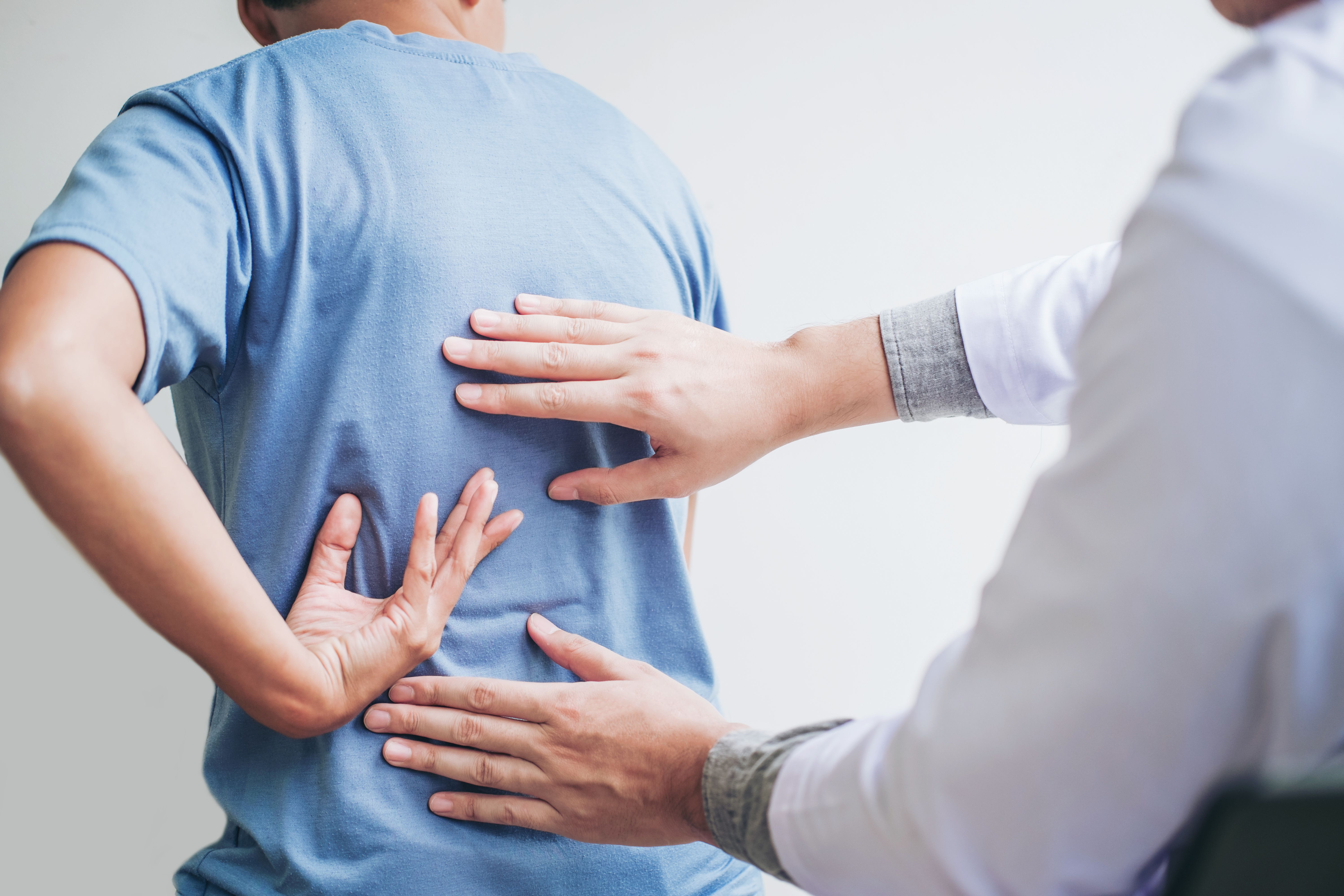
Unlocking the Road to Recovery with Physical Therapy after Surgery


Road to Recovery with Physical Therapy after Surgery

"Unlocking the Road to Recovery with Physical Therapy"

Introduction The journey to recovery after surgery can be challenging, but with the right guidance and support, it becomes an achievable path. Physical therapy plays a pivotal role in this process, offering a myriad of benefits that extend beyond pain management. In this comprehensive guide, we'll delve into the five key facets of how physical therapy empowers individuals to regain their quality of life after surgery. From optimizing mobility to personalized treatment plans and real-life case studies, we'll explore the transformative power of physical therapy.

Road to Recovery with Physical Therapy after Surgery

1. Enhancing Mobility After undergoing surgery, regaining optimal mobility is a top priority. Inactivity can lead to stiffness and muscle weakening, making it crucial to address these issues effectively. Physical therapy specializes in improving mobility, especially following procedures like joint replacements or orthopedic surgeries. This restoration of movement is achieved through a variety of techniques, encompassing both passive and active exercises.

Passive exercises entail therapists gently manipulating limbs on behalf of patients, while active exercises empower patients to perform movements themselves with minimal assistance. For instance, post-knee surgery, a physical therapist may facilitate knee flexion and extension to enhance mobility. After spinal surgery, specific exercises are designed to increase back flexibility and fortify core muscles.

Physical therapy's central focus on mobility ensures a pain-free return to movement, effectively restoring the freedom to engage in everyday activities.

Pain Management

2. Pain Management Surgery often brings discomfort and pain, posing a significant hurdle to the recovery process. Physical therapy comes to the rescue by offering diverse pain management techniques. Manual therapy stands out as one such approach, where therapists use their hands gently to manipulate muscles and joints. This technique stimulates blood flow, alleviates muscle tension, and provides immediate pain relief.

Physical therapists also harness other modalities to combat pain, such as heat or ice therapy for soothing the body and specialized devices like ultrasound or electrical stimulation.

The synergy of these pain management techniques ensures that patients experience minimal discomfort, allowing them to focus on their rehabilitation journey and bid farewell to pain.

3. Accelerating Recovery Physical therapy plays a pivotal role in expediting the recovery process after surgery. With the guidance of skilled professionals and tailored exercises, patients can regain strength and mobility more rapidly than attempting recovery independently. This accelerated recovery minimizes the duration of discomfort and reduces the risk of complications associated with prolonged immobility.

The benefits of a quicker recovery are particularly valuable to individuals eager to return to their normal routines promptly. Athletes, for example, strive to resume training and competing swiftly, while individuals in physically demanding professions, such as construction workers or healthcare providers, can benefit from a swift recovery to re-join the workforce sooner.

Hence, physical therapy is not merely about alleviating discomfort; it's about hastening the return to a regular life.

4. Customized Treatment Plans Individuality is a key consideration in post-surgery recovery. Physical therapists recognize this uniqueness and craft specialized treatment plans tailored to each patient's needs, whether they've undergone knee surgery, spinal procedures, or other surgical interventions.

The journey begins with a comprehensive evaluation by the physical therapist, who assesses the patient's current condition, surgical history, and recovery objectives. Based on this assessment, a personalized plan is created, detailing specific exercises and techniques essential for recovery. Importantly, this plan remains adaptable as patients’ progress. If unexpected developments occur or patients become stronger, therapists can adjust the program to accommodate their progress. This ensures that physical therapy consistently supports patients' individual recovery journeys, from start to finish.

Functional Independence

5. Regaining Functional Independence  The primary goal of post-surgery physical therapy is to restore functional independence. This entails enabling patients to perform everyday tasks autonomously, including walking, climbing stairs, and reaching for objects.

Physical therapists dedicate themselves to ensuring patients can reclaim their normal lives. Whether it involves playing with friends, attending school, or enjoying leisure activities, physical therapy facilitates a return to these essential experiences. It's akin to having a team of supportive allies to ensure that patients can savor life just as they did before surgery.

Case Studies: Real-Life Benefits  To underscore the profound impact of physical therapy after surgery, let's explore two common scenarios: joint replacement and orthopedic surgery.

Road to Recovery with Physical Therapy after Surgery

Case Study 1: Joint Replacement  Imagine undergoing total hip replacement surgery due to severe arthritis, making basic activities like walking or standing excruciating before the operation. Physical therapy becomes your trusted companion on the journey to recovery, offering the following benefits:

·        Pain Management: Therapists employ various techniques to minimize pain and reduce swelling, expediting rehabilitation.

·        Restoring Mobility: Tailored exercises gradually enhance hip mobility and strengthen surrounding muscles.

·        Walking Independence: Through regular therapy, patients regain the ability to walk without assistance, improving overall quality of life and reducing immobility-related issues.

·        Regaining Independence: With dedication and hard work, everyday tasks such as dressing, cooking, and pursuing passions become achievable once more. Patients experience less pain, enhanced comfort, and increased independence – a true reclamation of life.

Case Study 2: Orthopedic Surgery  Suppose you've undergone orthopedic surgery to repair a torn rotator cuff in your shoulder, causing significant pain and limited range of motion before the procedure. 

·        Customized Rehabilitation: Therapists devise a personalized plan, considering the specifics of the shoulder surgery and the patient's recovery needs.

·        Range of Motion: Therapists facilitate shoulder mobility improvement through targeted exercises and stretches, enabling full arm functionality.

·        Functional Recovery: Continued therapy empowers patients to perform everyday tasks such as reaching high, lifting objects, and dressing without pain or difficulty.

·        Returning to Work and Play: Thanks to the effectiveness of therapy, patients can resume daily activities and return to work, as well as enjoy their favorite activities like sports or gardening.

Road to Recovery with Physical Therapy after Surgery

Patient Commitment And Continuity For physical therapy to yield optimal results, patient commitment is vital. This entails attending therapy sessions, diligently performing prescribed exercises, and maintaining a positive and hopeful attitude throughout the recovery process.

"Patient Commitment" emphasizes the patient's dedication to improvement, manifesting in consistent attendance at therapy appointments, active participation in exercises, and a resilient and optimistic outlook during the recovery journey.

"Continuity of Care" highlights the enduring partnership between the patient and the physical therapist. This partnership ensures that patients receive the appropriate care from beginning to end, guiding them toward their recovery goals.

In conclusion, when patients and their therapists collaborate, they maximize their chances of recovery and an improved quality of life.

Regaining Functional Independence

Conclusion  Physical therapy serves as a guiding light, offering hope and facilitating progress in the realm of post-surgery recovery. It's not merely about restoring bodily movement; it's about reclaiming life itself. With specialized exercises, pain management strategies, and personalized plans, physical therapists empower individuals to regain strength and overcome the challenges posed by surgery. Whether receiving a new joint or undergoing other surgical procedures, remember that your physical therapist is a trusted ally, helping you regain pain-free movement, enhance your quality of life, and embrace a brighter future. So, as you take those

Top of Form


Wednesday, September 27, 2023

Protein: The Building Block of a Healthy Diet, Role of Protein in a Balanced Diet

 
Protein: The Building Block of a Healthy Diet

Protein Essentials: Determining Your Ideal Protein Intake.

Protein stands as one of the three fundamental macronutrients, along with carbohydrates and fats.. Unlike alcohol, which isn't considered a macronutrient, protein plays a crucial role in our daily nutrition. While carbohydrates and dietary fats can typically be obtained through a balanced diet, many individuals turn to protein powder supplements to augment their protein intake.

In today's market, protein powder supplements have become exceedingly 

popular. However, this popularity has given rise to intense competition among supplement companies. This industry is largely unregulated, often marked by questionable ethics, with companies constantly striving to create the latest and greatest formulas to outdo their competitors.

These protein powders come in various forms, derived from different sources, contain various additives, and undergo different processing techniques. The question that arises is whether these modifications live up to their extravagant claims. To answer this, we must first understand the role of protein in our bodies, the differences among various protein powders, and then critically examine these modifications in both clinical and practical contexts.

Protein: The Building Block of a Healthy Diet

Protein 101: Functions and Sources Protein is renowned for being the primary macronutrient responsible for muscle formation. However, its role extends far beyond this, as it collaborates with numerous enzymes and transporters within the body, participating in vital functions that support life and proper metabolism. To put it simply, proteins are the building blocks of our bodies.

In this analogy, carbohydrates act as the labourers, cementing these protein "bricks" together, while fats serve as the managers, ensuring this construction process runs smoothly. All three macronutrients—protein, carbohydrates, and fats—are essential, working together to maintain our body's proper functioning.

Protein: The Building Block of a Healthy Diet

What does this mean for us?

Protein intake essentially represents a daily quota. There are numerous amino acids, many of which can be converted into each other (except for those classified as essential amino acids). If we simplify, we can say that you need a certain amount of protein each day to support optimal bodily functions.

Protein: The Building Block of a Healthy Diet

Protein Lesson #1: Proteins serve as the building blocks for all internal bodily functions, whether it's building new muscle or maintaining existing functions. A lack of protein in your diet can lead to various health issues.

The Recommended Dietary Allowance (RDA) for dietary protein is currently set at 50 grams per day. While this may seem surprisingly low, meeting this intake level is generally sufficient to prevent protein deficiency. The RDA was established based on a sample of sedentary individuals with a normal body mass index (BMI) who consumed a mixed diet with adequate calorie intake.

So, if your primary goal is simply to maintain basic bodily functions without engaging in regular physical activity, the RDA should suffice. However, it's important to note that meeting the RDA does not necessarily equate to optimal health; it's a minimum requirement.

The ideal protein intake for your body varies depending on factors such as your body weight and activity level. Although there's no one-size-fits-all guideline, current scientific consensus suggests the following approximate ranges:

1.   The base level, assuming no physical activity and no desire to change body composition, is around 0.8 grams of protein per kilogram of body weight. For a person weighing 137.5 pounds, this amounts to approximately 50 grams daily, the RDA level.

2.   An athlete, highly active individual, or someone looking to lose body fat while maintaining muscle mass would benefit from a range of 1 to 1.5 grams of protein per kilogram of body weight. For a 200-pound person, this translates to 91 to 136 grams of protein per day.

3.   An athlete, active person seeking to influence body composition positively (lose fat and/or gain muscle), or a highly active endurance athlete should aim for a daily protein intake ranging from 1.5 to 2.2 grams per kilogram. For our 200-pound individual, this means consuming between 136 and 200 grams of protein daily.

There are a few caveats to consider with these recommendations:

1.   These recommendations assume that you have an average body fat percentage. If you have a body fat percentage above 20% (or 30% for females), following these guidelines may lead to excessive protein consumption. In such cases, it's advisable to calculate your protein requirements based on your target body weight rather than your current weight.

2.   Recommendations exceeding 1.5 grams per kilogram of body weight are not strongly supported by scientific literature. While some limited evidence suggests additional benefits, most of this recommendation is based on anecdotal usage and general practice guidelines. This doesn't discredit the value of higher protein intake; it simply emphasizes the need for transparency in such recommendations.

Protein: The Building Block of a Healthy Diet

Protein Lesson #2: The base protein intake is approximately 1 gram per kilogram of body weight. For active individuals, aiming for 2 grams per kilogram is a reasonable target. If you are overweight or obese, calculate your protein needs based on your target body weight, not your current weight.

Complete Proteins vs. Incomplete Proteins the minimum protein recommendation is primarily based on the consumption of complete protein sources.

Remember that protein comprises a mixture of amino acids. A protein source is considered complete if consuming the minimum 50 grams of protein provides sufficient essential amino acids to sustain life.

Any protein source lacking one or more essential amino acids is categorized as "incomplete." For instance, rice is considered an incomplete protein source because it is low in the amino acid lysine. If your entire protein intake came from rice, you would likely be deficient in lysine.

We have two options when dealing with incomplete protein sources:

1.   Combine two incomplete protein sources that complement each other. For example, rice is low in lysine but high in methionine, while peas are high in lysine and low in methionine. Combining these sources provides a complete protein profile.

2.   Consume more of the incomplete protein source. In the case of rice, you could eat 100-150 grams of incomplete protein to obtain enough of the deficient amino acids.

The concern about complete versus incomplete protein sources primarily arises when overall protein intake is very low. At higher levels of dietary protein intake, it is highly unlikely that you will fail to meet your amino acid requirements if you consume a mixed diet of incomplete protein sources.

Protein: The Building Block of a Healthy Diet

Protein Lesson #3: Your body can convert one amino acid into another as needed. This means that if your overall protein intake is sufficient, you're likely to meet your amino acid requirements even with incomplete protein sources.

In conclusion, protein is a fundamental macronutrient essential for various bodily functions. While the protein supplement industry is booming, it's important to understand your individual protein needs based on factors like body weight and activity level. Additionally, the distinction between complete and incomplete proteins becomes less significant when your overall protein intake is adequate.

Ultimately, the key to a healthy diet is achieving a balanced intake of all macronutrients—protein, carbohydrates, and fats—through a diverse and well-rounded diet. Before turning to protein supplements, consider consulting with a healthcare professional or nutritionist to determine the best approach for meeting your specific dietary requirements.

Top of Form


Revolutionizing Healthcare: The Latest Advances in Telemedicine, Latest Innovations

 Evolution of Healthcare: Exploring Telemedicine's Latest Innovations
The Latest Advances in Telemedicine, Latest Innovations

 Introduction

 In today's rapidly evolving world, technology is reshaping various aspects of our lives, and healthcare is no exception. Telemedicine, the practice of providing medical care remotely through digital communication tools, has made tremendous strides in recent years. This innovative approach to healthcare delivery has not only improved patient access but also enhanced the quality of care provided. In this SEO-friendly article, we'll explore the latest advances in telemedicine and their impact on healthcare.

The Latest Advances in Telemedicine, Latest Innovations


Virtual Reality in Telemedicine


  One of the most exciting developments in telemedicine is the integration of virtual reality (VR) technology. VR enables healthcare providers to offer immersive and interactive experiences to patients. For instance, it's being used in physical therapy to guide patients through exercises, making rehabilitation more engaging and effective. Additionally, VR can transport patients to a calm and soothing environment, reducing anxiety during medical procedures or consultations.

The Latest Advances in Telemedicine, Latest Innovations


Artificial Intelligence for Diagnosis and Monitoring


  Artificial intelligence (AI) plays a pivotal role in telemedicine by assisting healthcare professionals in diagnosing and monitoring patients remotely. AI-driven algorithms can analyze medical images, such as X-rays and MRIs, with incredible accuracy, expediting the diagnosis process. Moreover, wearable devices equipped with AI can continuously monitor a patient's vital signs and alert healthcare providers to any abnormalities in real-time, ensuring proactive care.

The Latest Advances in Telemedicine, Latest Innovations


Telemedicine in Mental Health


  The importance of mental health has gained significant recognition, and telemedicine has stepped up to address this need. With the advent of secure video conferencing and messaging platforms, mental health professionals can now offer counseling and therapy remotely. This has not only made mental healthcare more accessible but has also reduced the stigma associated with seeking help.

Telemedicine in Remote Areas


  Telemedicine has broken down geographical barriers to healthcare. In rural or underserved areas, where access to medical facilities is limited, telemedicine provides a lifeline. Patients can consult specialists from the comfort of their homes, and healthcare providers can extend their reach to areas where they are needed the most. This has been particularly valuable during the COVID-19 pandemic, ensuring that patients receive care while minimizing the risk of exposure.

Telemedicine Apps and Platforms


  The proliferation of telemedicine apps and platforms has made it incredibly convenient for patients to access healthcare services. These apps allow patients to schedule appointments, communicate with healthcare providers, and even receive prescriptions electronically. Many of them also provide secure storage for medical records, ensuring that patients' health information is easily accessible and confidential.

The Latest Advances in Telemedicine, Latest Innovations


The Latest Advances in Telemedicine, Latest Innovations


Telemedicine Regulations and Insurance


 As telemedicine continues to advance, regulatory bodies and insurance companies are adapting to accommodate these changes. Many countries have updated their regulations to ensure that telemedicine services are safe and effective. Furthermore, insurance companies are increasingly covering telemedicine visits, making it a cost-effective option for patients.


With the rise in telemedicine, there has been a heightened focus on data security and patient privacy. Advanced encryption and authentication protocols are being employed to protect sensitive patient information. Additionally, healthcare providers are implementing stringent security measures to safeguard against cyber threats.

The Latest Advances in Telemedicine, Latest Innovations


Conclusion

Telemedicine is transforming healthcare, making it more accessible, convenient, and efficient than ever before.

 Telemedicine is transforming healthcare, making it more accessible, convenient, and efficient than ever before.

 Telemedicine is transforming healthcare, making it more accessible, convenient, and efficient than ever before. From the integration of virtual reality and artificial intelligence to its vital role in mental health and extending healthcare to remote areas, telemedicine is at the forefront of healthcare innovation. As technology continues to evolve and regulations adapt, telemedicine is poised to play an even more significant role in shaping the future of healthcare, improving patient outcomes, and enhancing the overall healthcare experience. Embracing these advances is crucial for a healthier and more connected world